
The Fascinating World of Cannabis: A Comprehensive Overview
- Susara Marcotte
- Nov 13, 2023
- 2 min read
Introduction:
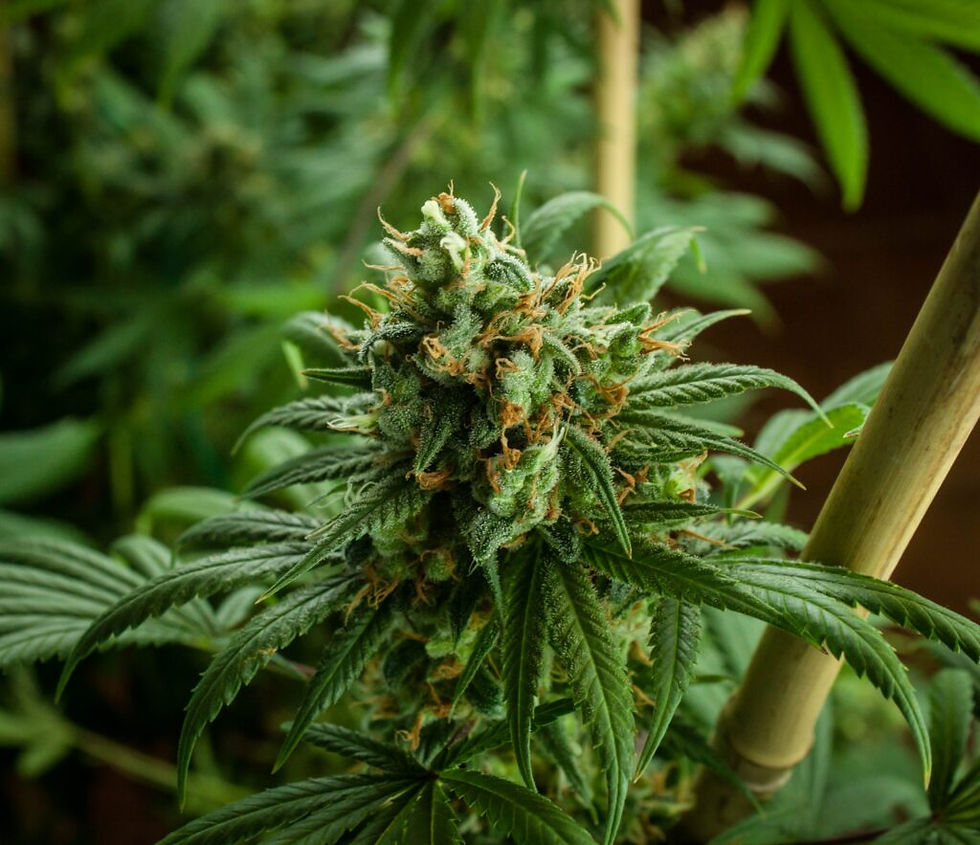
Cannabis, one of the oldest known psychoactive plants, has been used for medicinal purposes for over 3000 years. Its rich history dates back to ancient times, but it was not until the 1840s that Dr. W.B. O'Shaughnessy introduced it into Western medicine. This humble plant, extracted with isopropyl alcohol, contains over 400 chemical compounds, with the highest concentration of bioactive compounds found in the resin from the flowers of female plants.

The Power of Cannabinoids:
The primary psychoactive component of cannabis is delta-9-THC, along with approximately 70 other cannabinoids present in pyrolysis products. Another noteworthy cannabinoid is delta-8-THC, which is less potent but present in small concentrations. These components have been shown to exhibit analgesic, sedative, anti-inflammatory, antispasmodic, and anticonvulsant properties.
Beyond THC:
While THC is the primary active ingredient, secondary compounds present in cannabis may enhance the beneficial effects of THC and counter its potential side effects. These compounds, both cannabinoid and non-cannabinoid, have been found to reduce THC-induced anxiety and immunosuppression.
Terpenes: Aromatic Wonders:
Terpenes play a significant role in cannabis's aroma and flavor profile. They include D-limonene, which exhibits anti-mutagenic and anti-neoplastic properties. Other terpenes like pinene, linalool, and terpeneols offer sedative and anti-depressant effects, effectively reducing anxiety caused by other cannabis bio-actives.

Cannabis for Pain Management:
Cannabis has shown promise in alleviating various types of pain, including somatic, visceral, neuropathic, hyperalgesia, and pain of inflammation. For severe pain, a combination of THC and CBD is often recommended.
Antidotes to Intoxication and Risks:
Citrus fruits, pine nuts, black pepper, and calamus root are traditional antidotes to cannabis intoxication. However, it's crucial to be mindful of the potential dangers to children. Cannabis primarily acts in the pre-frontal cortex of adults, with early exposure before the age of 24 potentially causing brain development issues and increasing the risk of psychoses.
The Oncologists' Perspective:
In a survey among members of the American Society of Clinical Oncology, 44% of oncologists had recommended marijuana to at least one patient. Many believed it to be more effective than its synthetic counterpart, dronabinol, in managing symptoms.

Conclusion:
The intricate chemical composition of cannabis and its potential therapeutic benefits make it a captivating field of study. As research continues, further discoveries in the realm of cannabis could lead to significant advancements in medicine. However, it is imperative to exercise caution and responsibly navigate the risks associated with this ancient plant.


Comments