
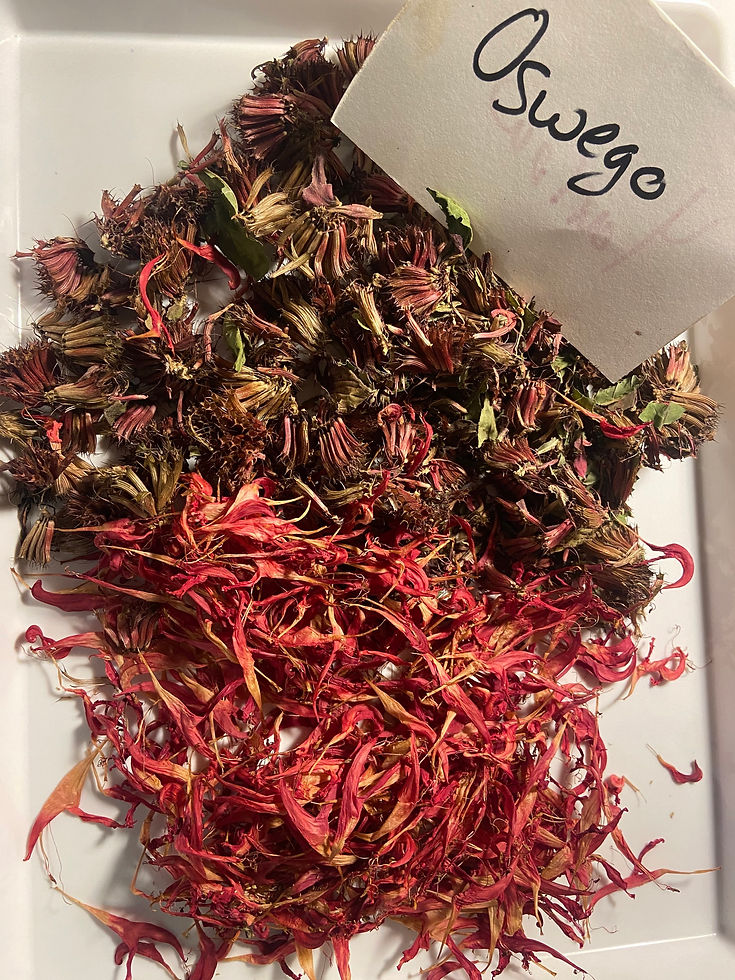
The Remarkable Monarda didyma: Nature’s Gift for Health and Well-Being
- Susara Marcotte
- Nov 27, 2024
- 3 min read
Among the vast tapestry of medicinal plants, few possess the multifaceted benefits of Monarda didyma, commonly known as bee balm or Oswego tea. This vibrant perennial, with its striking red blooms and aromatic foliage, is not only a feast for the eyes but also a treasure trove of health benefits. Historically revered by Native American tribes for its culinary and medicinal properties, bee balm has surged back into the spotlight as a potent natural remedy for various ailments, particularly infections, digestive issues, and respiratory conditions.
**A Natural Antimicrobial Ally**
The chemical constituents of Monarda didyma are particularly compelling, especially its high concentration of thymol—a potent antimicrobial compound also found in thyme and oregano. Thymol's ability to inhibit the growth of bacteria and fungi makes bee balm a formidable ally against infections. A diluted tincture or tea serves as a refreshing mouthwash that not only combats bad breath but also addresses infections in the mouth and gums. Its efficacy against oral cancers in vitro sparks intrigue, suggesting that future human clinical trials could unveil even more of its potential.
Moreover, bee balm's antifungal properties extend its utility beyond oral health. Studies have demonstrated its effectiveness against Candida albicans, the fungus responsible for many yeast infections. For those grappling with chronic vaginal yeast infections or topical fungal issues, a wash made from bee balm tea, combined with internal consumption, offers a holistic approach to restoring balance. Additionally, the essential oil derived from Monarda has shown promise as an antiseborrheic agent, providing relief for chronic skin conditions like seborrhea.
**A Soothing Solution for Urinary Tract Infections**
Bee balm’s antimicrobial prowess does not stop at fungal infections; it also shines in the realm of bacterial infections, particularly urinary tract infections (UTIs). Known for its soothing properties, combining bee balm with mallow or marshmallow root creates a gentle yet effective remedy for inflamed urinary tracts. The synergy of bee balm, cranberry, and marshmallow in a healing tea can alleviate discomfort and promote healing, making it a wonderful natural alternative to conventional treatments.
In vitro studies highlight Monarda punctata’s antibacterial activity against common pathogens like Streptococcus pyogenes and drug-resistant Staphylococcus aureus. This broad-spectrum activity underscores the importance of exploring bee balm as a potential natural remedy for serious bacterial infections, particularly those that afflict the upper respiratory tract.
**Promoting Digestive Wellness**
Beyond its antimicrobial benefits, Monarda didyma is a spicy carminative herb renowned for its ability to promote healthy digestion. It acts as a gentle digestive aid, relieving discomfort from indigestion, bloating, and gas. Its historical use against cholera and diarrhea speaks to its effectiveness in soothing gastric distress. Herbalist Finley Ellingwood noted that bee balm “soothes gastric and intestinal pain in the absence of inflammation,” demonstrating its long-standing place in herbal medicine.
**A Natural Remedy for Colds and Flu**
As we face the inevitable colds and flu of the changing seasons, bee balm emerges as a powerful ally. Its warming, diffusive nature helps to mobilize stagnant conditions associated with upper respiratory infections. Infused Monarda honey offers a soothing remedy for sore throats, while hot bee balm tea can alleviate fever and chills. Inhaling steam infused with bee balm can also help loosen congested mucus, providing relief when we need it most.
**A Gentle Comfort for Children**
In addition to its many uses for adults, bee balm has traditionally been used to calm colicky babies, offering parents a natural solution during challenging times. Its gentle nature and comforting aroma provide solace, making it a beloved remedy for families.
**Conclusion: A Garden of Health**
Monarda didyma, or bee balm, encapsulates the essence of nature's healing powers. From its antimicrobial properties that combat infections to its digestive and respiratory benefits, this herb is a testament to the wisdom of traditional medicine and the potential of natural remedies. As we continue to explore the therapeutic possibilities of bee balm, we are reminded of the importance of cultivating a deeper connection to the plants that surround us. By embracing the gifts of nature, we can enhance our health and well-being, one cup of bee balm tea at a time. In a world often dominated by synthetic solutions, Monarda didyma invites us to look back to our roots and recognize the remarkable healing potential that lies within our gardens.
While you’re here, how about stuffing some stockings with our naturals! Everybody needs a first aid kit for their skin 😉
Shop here with us. www.bonares.ca/goodstuff


Comments